Cults don't recruit idiots and neither do controlling partners. Turns out being smart was never going to save you.
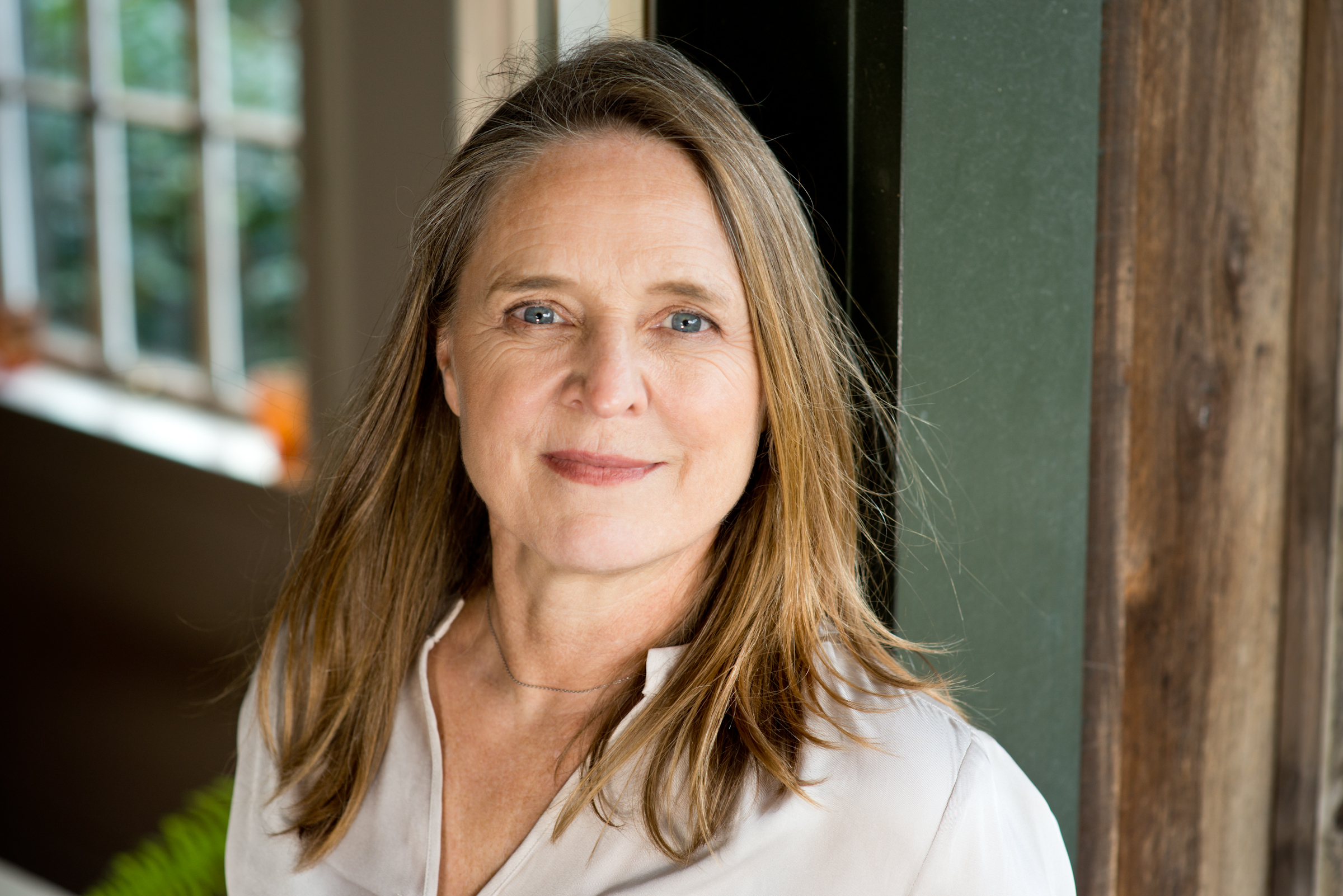
“No one joins a cult, because cults don't advertise as cults.” That's how Anke Richter, the New Zealand-based journalist who has spent a decade investigating them for her book “Cult Trip”, answers the question she gets asked most. How does anyone actually end up in one?
Most people picture orange robes and a guru on a mountaintop. Something obviously strange that they'd have spotted a mile off. “That's not what most cults look like,” says the founder and director of Decult, New Zealand’s first cult awareness conference. What they actually look like is a yoga class or a wellness retreat. A meditation group or a workout you got really into. “It's always something that feels really good for you,” she says. “Something you're looking for at the time, like personal growth.” They’re often ordinary things, offered by people who feel completely trustworthy, and they tend to arrive at exactly the moment you wanted them.
Coercive control in a relationship works the same way going in. Nobody meets someone and thinks, here comes my abuser. It often arrives looking like attention and finally being understood.
Ask most people what a cult survivor looks like and they'll picture someone gullible, who wasn't smart enough to see it coming. Hoyt Richards breaks that notion instantly. He was one of the first male supermodels in America. He was good-looking, well connected, doing well by every measure anyone uses to size a person up. He spent around ten years in a doomsday cult before he got out. “What does a typical cult survivor look like?” Anke says. “Well, Hoyt's a cult survivor, There is no prototype”
While Anke was investigating Centrepoint, one of New Zealand's most damaging cults, she was a member of one herself. ISTA, the International School of Temple Arts, is active here in New Zealand. She calls it what it was, which is a sex cult. “I'm the cult journalist who was researching the aftermath of a disastrous sex cult in New Zealand, while I was dabbling in a current sex cult myself.” Even she didn't see it from the inside. “You don't see the forest for the trees if you're in it.”
She's watched this play out in group after group. The people who get pulled in aren't “social losers.” They're often the most capable people with something to offer, the ones a controlling person or a controlling group actually wants.
Anke says it’s wanting to belong to something bigger than yourself and connect over something that feels good with people who feel like family, which is a deeply human need. It could be a wellness retreat, a church group, or a relationship that slowly starts to close in around you.
A lot of people believe that if they'd been smarter or more switched on it wouldn't have happened to them. “This belief is exactly how convincing coercive control is,” says Anke. “It tells you it probably wasn't real, or wasn't that bad, or was somehow your own fault for not spotting it sooner.”
Cults don't recruit weak people, and controlling partners don't target stupid ones. They both go looking for someone with something worth taking. The very things that make someone good are the things that make them a target.
Cults don't advertise as cults, and controlling people don't advertise either. Nobody hands you a warning label on the first date, and nobody joining a meditation group gets handed one at the door. Dispute Buddy's behaviour analysis is built to close that gap. It’s built to show you a pattern you were never going to spot from inside, because it was never built to look like a warning sign in the first place.