A $5M TV show, a coercive control case, and 25 years of helping people find their potential. Dr Jenine Beekhuyzen has learned from it all.
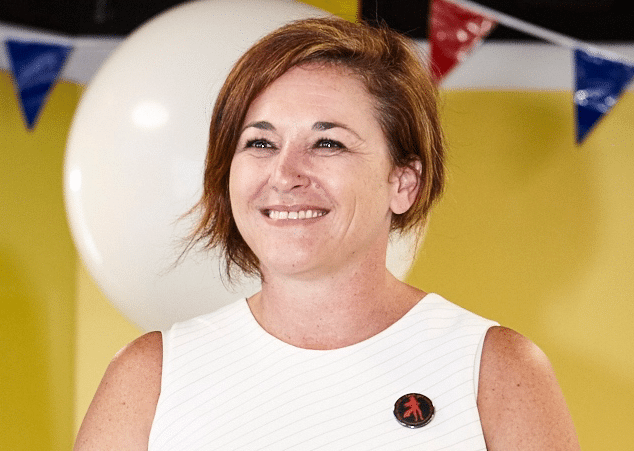
Jenine Beekhuyzen holds a Medal of the Order of Australia and back in 2016, one of her books landed in every school in Australia.
She's also spent weeks analyzing 48,000 text messages to help a victim of coercive control build her case in court. Her qualitative analysis book and NVivo workshops have made her a go-to for researchers who need to make sense of complex data.
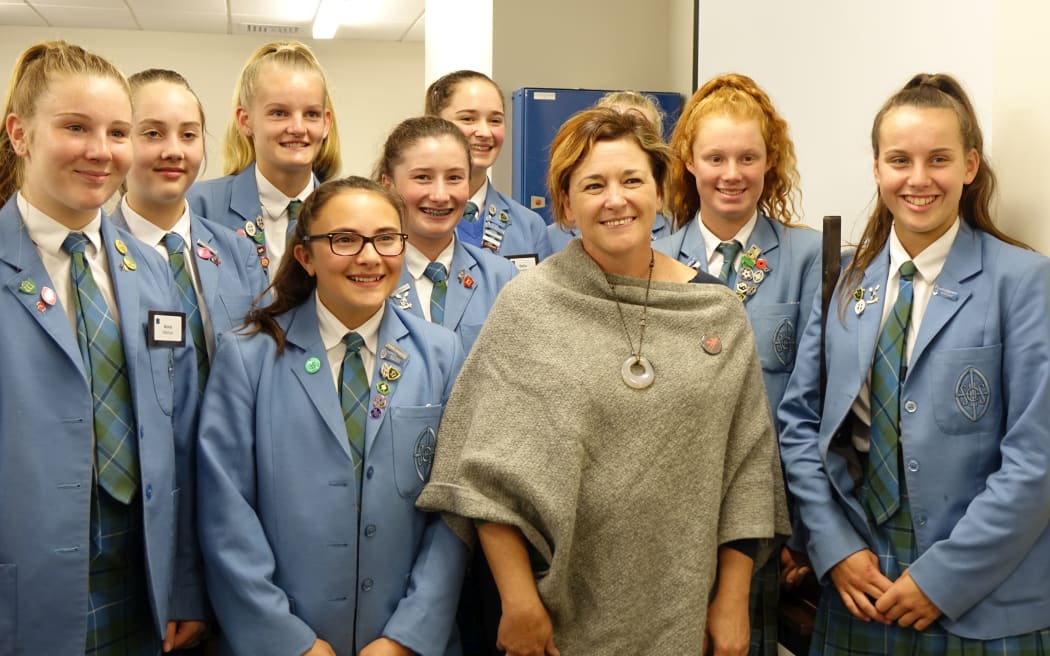
For 25 years, Jenine has focused on helping people realize what they're capable of. She's put 15,000 girls in front of real-world STEM problems and sent teenagers to pitch their ideas to Google and Facebook in Silicon Valley.
Here's what she had to say!
Jenine: I help people find their potential. That's what brings everything together. Whether it’s with my PhD students in my online community on Research Central or clients navigating really hard situations, I try to help people get through life. I’m a belief buddy for people when they can't believe in themselves, cheering them on when they are doubtful.
Jenine: A client found me online because of my data analysis expertise. She needed a systematic way to find patterns within a massive dataset so she could document coercive control in a presentable way for court. The 48,000 text messages were over a six-year period and took up 7,500 PDF pages!
I've found that these cases are often heated “he said, she said” narratives. Having seen evidence of abuse and having no vested interest in the case actually helps the coercive control victim believe their story and cope. Because when you're in those situations, you're asking: “Am I crazy? Did this really happen?”
Jenine: Very difficult! I probably spent three times more than I charged the client just because I had to learn myself.
The nuance of text messages is something you don't expect – emoticons, photos, short messages with double meanings. Context is everything. On its own, a text can mean something different.There was a nickname the perpetrator used that sometimes meant something warm or something threatening. The only way to understand was to see what came before and after it.
As a researcher, it was quite harrowing to read, too. What support is there for people working in this space? You're watching something play out that's very traumatic for everyone involved, including those trying to help.
Jenine: My father died when I was five, so I was raised in a single parent household. I wasn’t expected to go to university, but I'm the sort of person who will probably go and do the thing someone tells me I can't do! And that’s basically what happened.
At university I was fortunate to have a couple of brilliant female lecturers who found the potential in me and gave me opportunities I could never have dreamed of. I began research around women in tech and bringing more women to the industry. I stepped into a very different world from where I grew up, and I fell in love with the idea of helping women in any way I could.
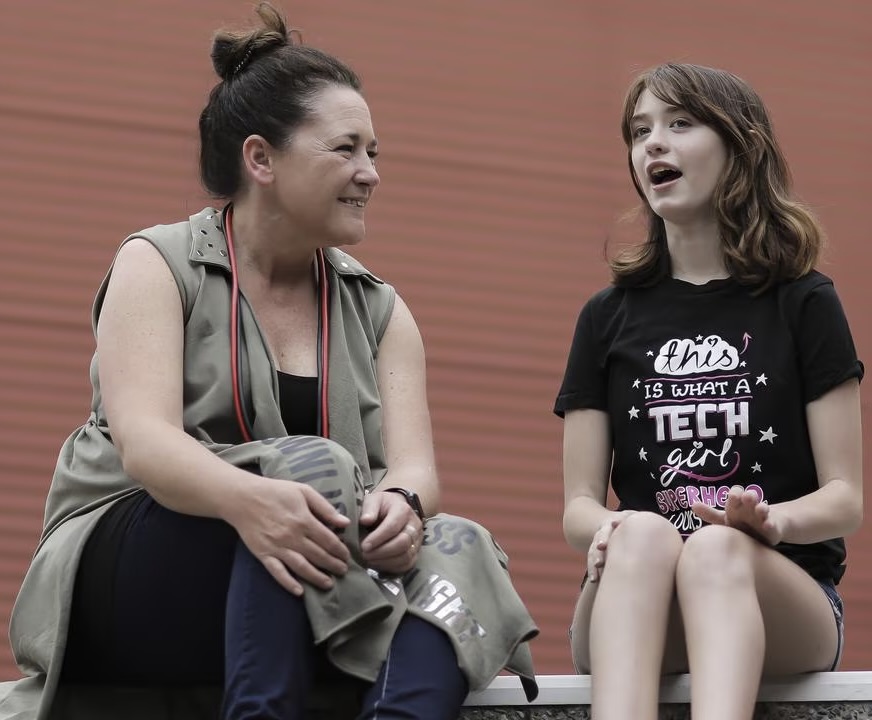
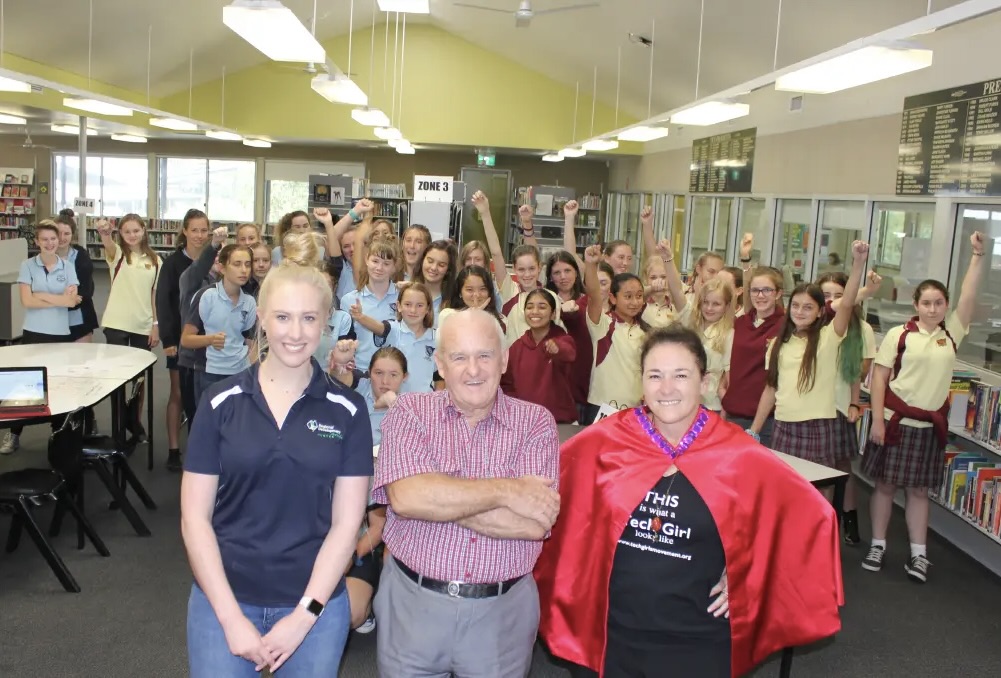
Jenine: I ran a not-for-profit, Tech Girls Movement Foundation, that brought girls to STEM (Science, Technology, Engineering, and Mathematics), a male-dominated space. For ten years, I also ran a competition for girls 7 to 17 to build an app that solved a problem in their community. They’d design, build, and pitch a product in 12 weeks, and the winners would go to Silicon Valley for a week. The girls would pitch to ten big companies, such as Google, Facebook, eBay, and Accenture. I had CEOs telling me, "Your students understand the problem they're solving better than most of the people who come in here pitching to us." I was very proud of that. Over those four years, I chaperoned 45 girls. They made my heart sing. It was one of the best things I've ever done.
I came across so many ideas by these young girls! There was “P Cube,” a plastic pollution prevention app to help people track their single-use plastic usage. One girl made an app to connect teenagers who’d lost a parent to cancer, so they didn't have to go through it alone. Another one to help families find playgrounds that could support children with different needs. And “Talk to the Hand” was an app that taught kids Auslan (Australian sign language) because the girls' brother is deaf. The ideas almost always came from something the girls had experienced themselves.
The winner of our very first competition, Sara, was 14 when she pitched Positive Penguins, an app to help young people get through challenging times. She sold 20,000 copies at 14, and the app is still running today. Sara is now studying neuroscience and works part-time for me! I've been supporting and mentoring her for over a decade. Seeing her journey from where she began to where she is today – that’s what I mean by helping people discover their potential.
Jenine: Tech Girls was translated into a reality TV show, where kids solving Australia's biggest problems with tech would pitch to the country's top leaders. Ten teenagers, four weeks of filming, and a trip to Silicon Valley for the finale.
Eight weeks before airing on a major network, it was revealed that one of our hosts, one of Australia's most respected STEM educators, had been inappropriate with teenage girls. There were three investigations, and almost all the claims were substantiated. We couldn't put his face on TV alongside these young people, so the show was canned. $5 million. Three years of work. A 25-year dream.
The hardest part was the young people's shattered opportunity. They gave up a month of their Year 12 for this. They had real trust in the adults involved, including myself, and they still haven't had any resolution or recognition. This has broken my heart.
Jenine: I spent all of last year meditating, journaling, and doing as much yoga as possible. Since an article came out in The Sydney Morning Herald, I’ve felt a massive relief. I'm really glad I journaled because I can't even get my head back to where I was. I was in the dark. I felt like I lost my career and reputation. There was so much hope, opportunity, and potential lost, not just for me, but for the ten teenagers.
Looking back, it was kind of a blessing. While my vision of an amazing international TV show did not go to plan, there might be a silver lining because we were responsible for stopping someone from doing more harm to young girls. I'm very glad this person was stopped at 46 rather than 76
Jenine: Having just come out of my own really dark chapter where my confidence was absolutely crushed, I'm kind of on that journey myself. It’s really hard to not have what you need to heal, and that’s been the hardest part for me.
I'd recommend being the person your younger self would run to for safety. Know your worth and set some boundaries because we teach people how to treat us. Make sure to surround yourself with people you want to be like and who have your best interest at heart.
I have a card of a woman sitting in a bathtub, literally rewriting her story, and I keep it to remind me of this. If you've been through the hard time, you can get through the healing. You can rewrite your story.