The Rock wore her shirt. FIFA called. Now Sarah Brown is ending family violence by healing men's childhood trauma. Here's her story.
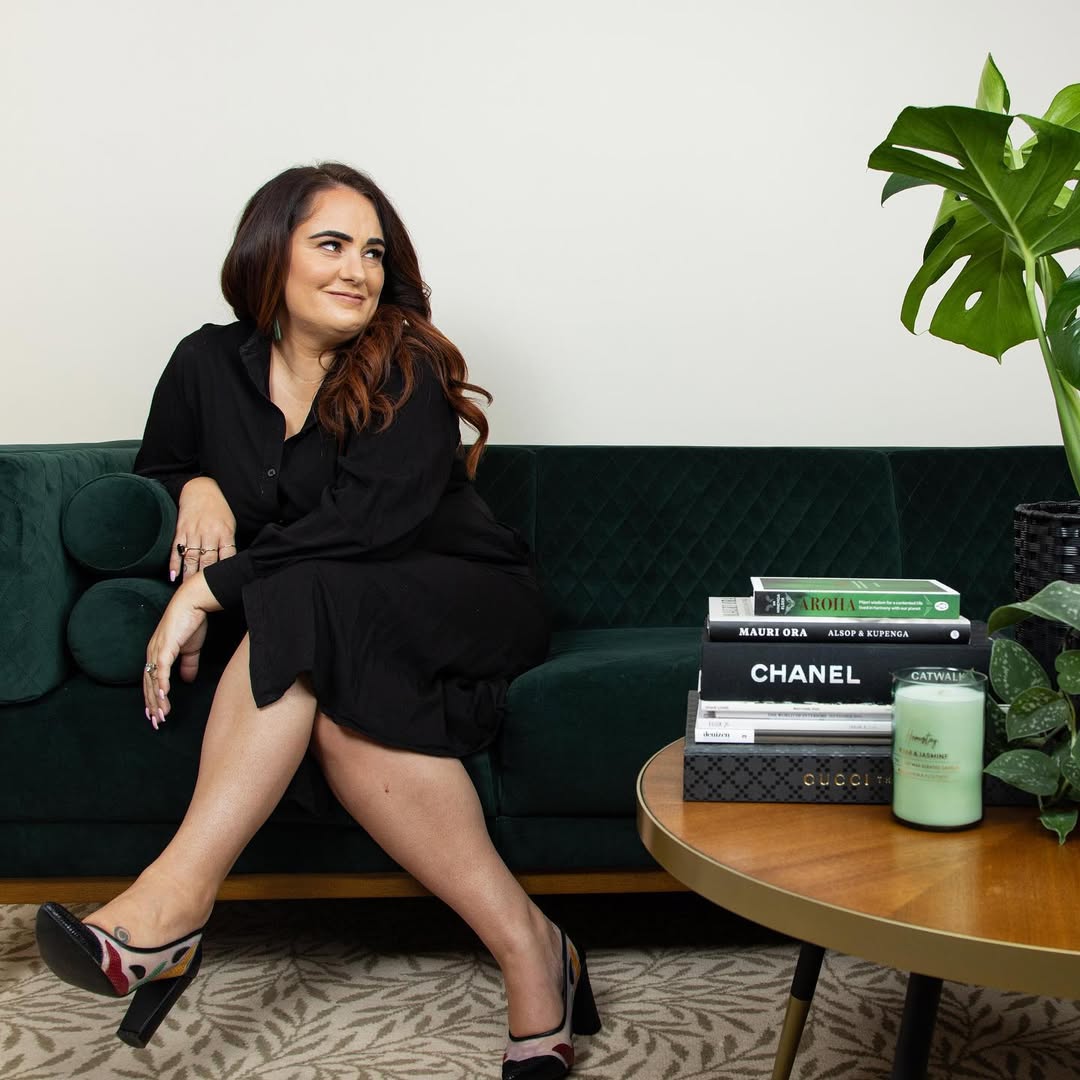
Sarah Brown was in the shower and wondered, "How can I get my organization's message across the world as quickly as possible?"
A few days later, The Rock reposted She Is Not Your Rehab on his social media, wearing Sarah’s branded t-shirt, and wrote a heartfelt message that garnered millions of views.
Fair to say, this woman does not mess around. Also, fair to say that what she dreams will most likely come to pass. When we interviewed Sarah, she was about to launch her new tech startup, EQ World, with her sister Ngaroma Crown (and they're not even engineers).

Sarah’s goal is to eradicate family and partner violence by improving the world's emotional intelligence (EQ). That’s a feat we’d bet she can tackle.
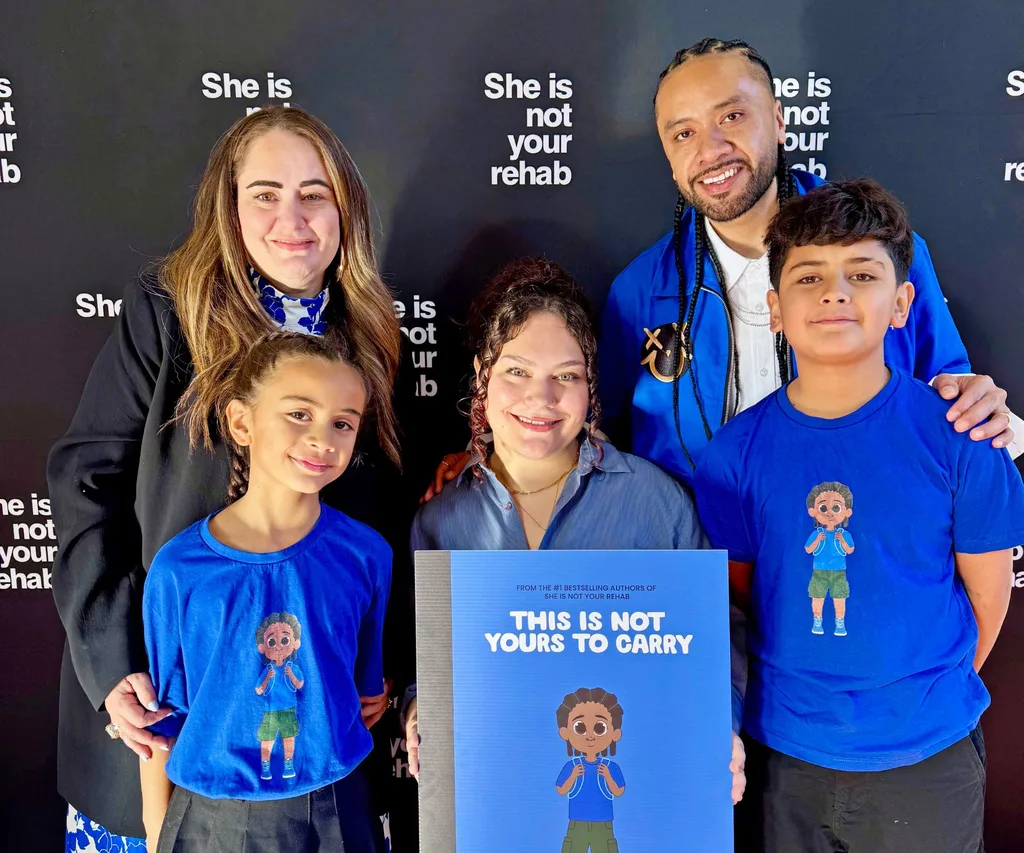
Last year, Sarah and her husband, Matt, founders of She Is Not Your Rehab, were invited to FIFA to support the organization in its efforts to eradicate family violence.
The power couple’s message is simple: the only way to end family violence is to heal the men who experienced it as children. Their global reach has only grown since Matt’s TED Talk in 2019.
This is exactly the kind of movement we’re proud to support at Dispute Buddy.
A multi-faceted entrepreneur, Sarah is a published, award-winning author who’s already built a tech product, innerBoy, alongside her husband. The app, available for free in New Zealand and Australia, helps men heal from childhood trauma.
What we love most about Sarah and Matt’s story is that it all started in a barber shop chair.

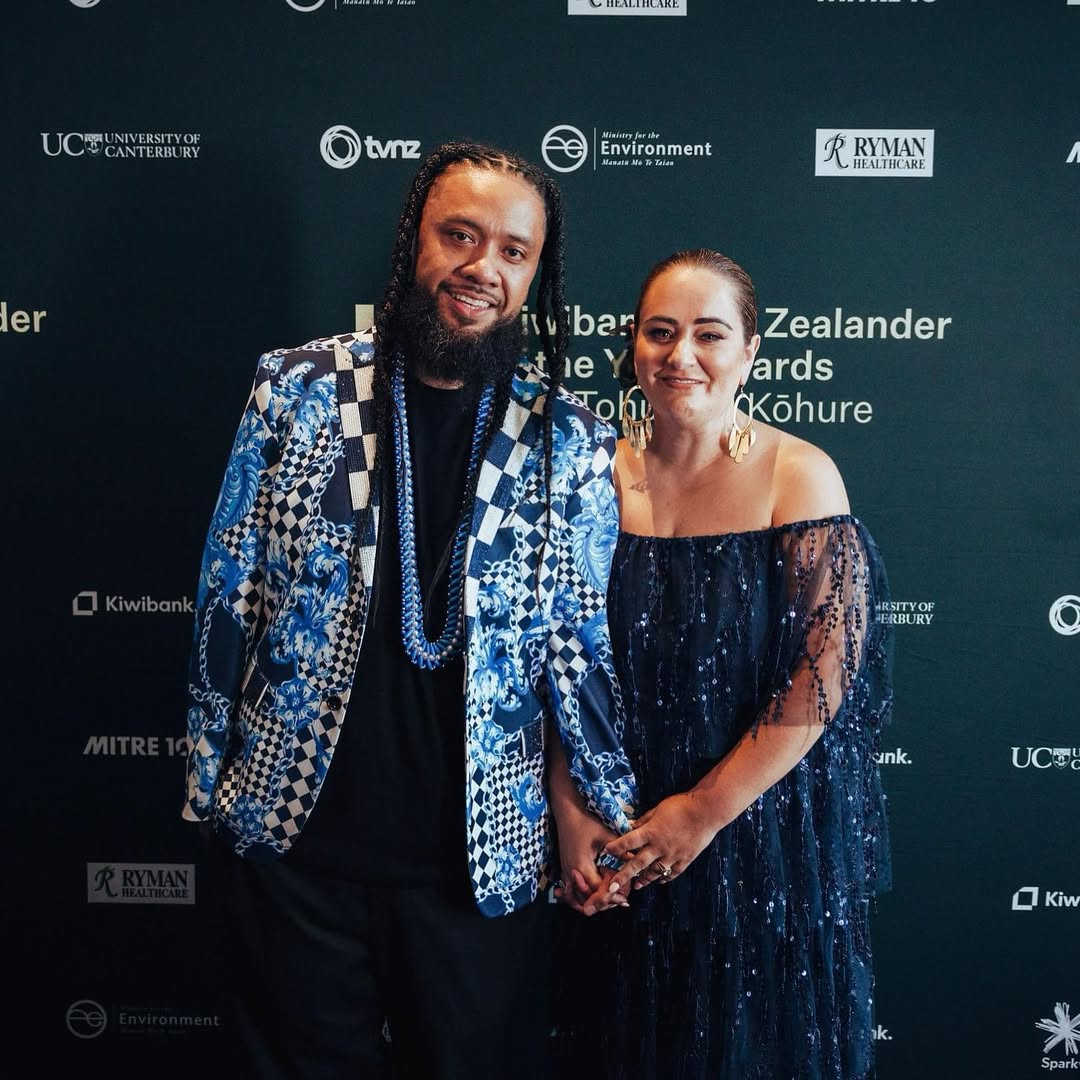
Sarah: My relationship with Matt is at the heart of our work.
Matt has chosen to use the hardest times in his life to not only change himself and explore his inner world, but to invite other men to do the same. He's done it with remarkable humility, and we’ve made it our mission to approach social problems with innovation and creativity.
Everything is rooted in our story – not just the trauma of where we came from, but everything we had to do to get to where we are today.
Both Matt and I did not grow up in the dream family situation. I was adopted into a very religious family that was quite abusive in a number of ways. Matt grew up in extreme family harm and sexual abuse, which he speaks about openly. We didn't really have a great example of what family and relationships could look like.
She is Not Your Rehab began **when Matt owned barbershops and used them as a vehicle for change. They were a place where men could have honest, heart-to-heart conversations with one another. The outcomes and opportunities since then have been amazing.
We work with organizations and governments to create change. We’re invited around the world for collaborations, creating campaigns, leading prevention work, running programs, and even delivering books we’ve written into prisons. We’re trying to find as many solutions as possible for the people we serve.

Sarah: I lived pretty crazy during my teen years. But having my oldest child, Oceana, was the greatest invitation of my life. It set me on a journey of truly loving myself and channeling that love towards her. It helped create the life I have today.
When I was pregnant with her, I was working a retail job. My national sales manager said to me, “You're too young for this. Have an abortion. We’re going to promote you – do you want this opportunity or not?”
I remember thinking, “Is there anyone out there who is actually going to support me to do what I want?”
From the moment I found out I was pregnant with Oceana, I knew I desperately wanted her. The pregnancy wasn't something I’d expected as a teenager, but I just knew she was real and super precious!
I’ll never forget the moment after 26 hours of labor, alone with her in the birthing suite. I looked down at her and thought:
“No one has ever loved me the way I love you. Girl, I’ve got you for life. We're going to do this.”
In that moment, I vowed to be the kind of mother for Oceana that I wished I’d had. It was the start of my healing journey because I realized I had a greater reason to live. It wasn't just about me anymore.
I’m so grateful I got to grow up with Oceana. She's seen a different version of me than my two younger children have. Now she’s finishing her fine arts degree. She and her partner live at home with Matt and me, and she even works for us. She illustrated our first children's book!
My sister, Ngaroma, who I became a guardian of when she was a teenager, also works for us! We’re all super close and I feel honored to have been the female role model for them that I never had growing up.
Sarah: I believe that raising the world's emotional intelligence, would improve many social problems – marriage breakdowns, relational conflict, and bullying, for example. These are issues we have not solved well as humans. They’re man-made social problems.
Emotional intelligence has never been prioritized or taught the way IQ has. If we genuinely taught it in ways that resonated with people, we could solve many of these problems within a generation.
We have entire generations of emotionally illiterate people, and it’s not even their fault. The emotional world is inside us, but no one ever shows us how to navigate this.
A lot of the family harm prevention work Matt and I do involves people who grew up with little or no emotional literacy at home. When you look at their behavior today – perpetrating harm, struggling in relationships, failing to show up as parents – it makes sense in the saddest way.
When we see this, we think: if this person had been given the tools to understand their inner world and regulate themselves when triggered, everything could have been different. They could sit with their feelings, let them pass, and not explode. They could be kinder.
If people knew how to do this, we could reduce family harm by a huge percentage.