She's traveled 25+ countries, graduated college at 29, and ditched news reporting for investigations. Meet private investigator Amy Wallace!
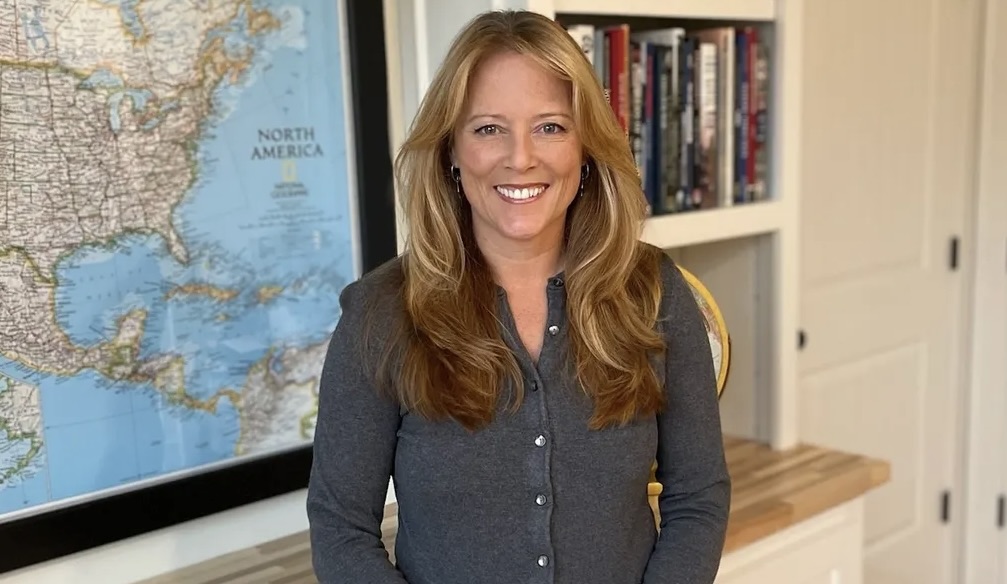
"I’ve got to get out of New Hampshire," Amy Wallace said to her husband.
As a private investigator running her own agency, AW Investigations, Amy manages a heavy criminal caseload while working with about 30 attorneys.
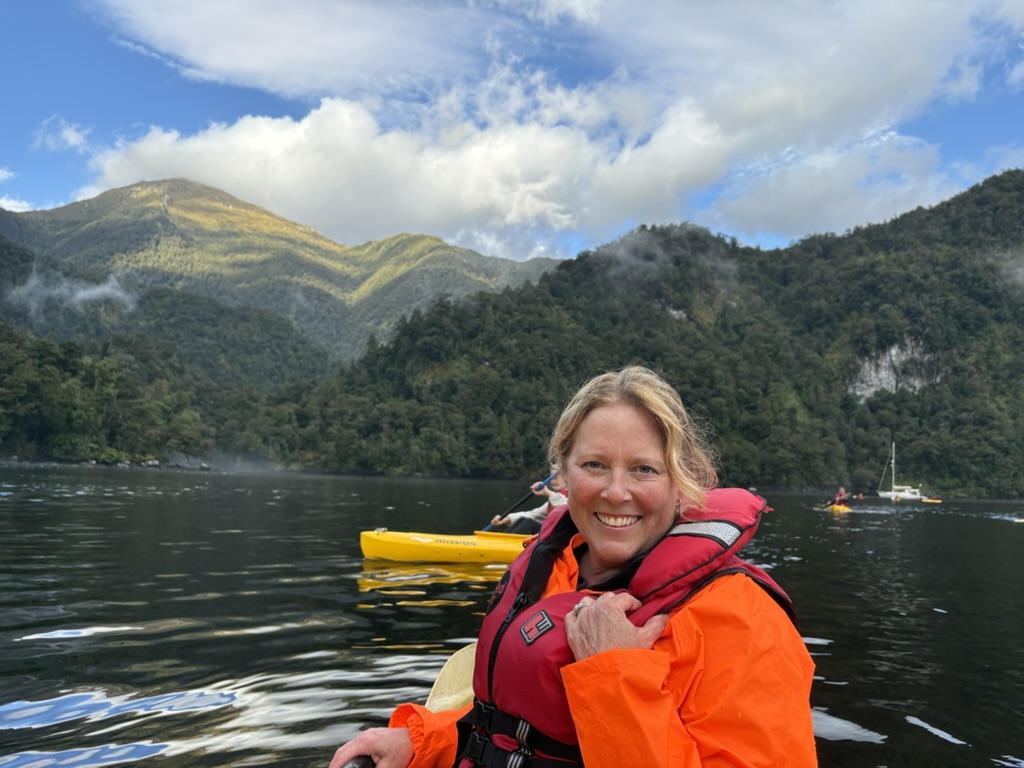
She rarely takes a break, so when her husband asked where she wanted to go for a lengthy getaway, she didn’t hesitate: "As far away as possible!"
Three and a half weeks in New Zealand did it. But no shocker: Amy went straight to work after returning.
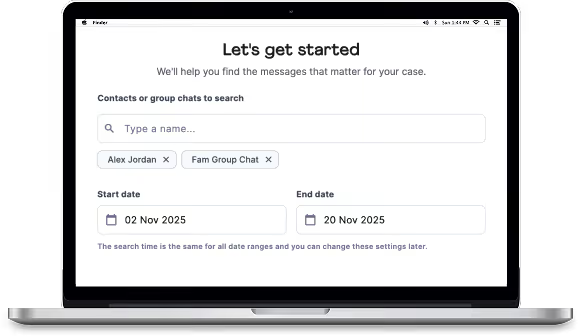
That trip led to an unexpected connection – Amy met Jenny Rudd, founder of Dispute Buddy, at Jenny’s beachfront home (where Jenny's husband runs a coffee cart business!). Since Amy compiles evidence for court, including text messages, Jenny told her all about Dispute Buddy, an app to download texts for court.
Sometimes awesome connections happen halfway across the world!
Amy: I studied foreign languages for three years at the University of Southern Maine before switching to media studies. I'd thought about pursuing a career in federal law enforcement, but when I saw the media studies program, I jumped on that.
After graduating, I did some print reporting until I saw an ad in the paper for an investigator position at the New Hampshire Public Defender (NHPD) office. I’d been covering a lot of crime in southern Maine, but I knew reporting wasn’t my forever career. My heart was in criminal investigations and I really wanted to help people! We have a constitution, and I believe people have a right to a fair defense.
I started out at the NHPD office, where cases were assigned and rotated. The environment was so welcoming and nurturing, and all the attorneys there were dedicated to indigent criminal defense. When some of them moved into private practice, they brought me along. Now they’ll hand me a case and often ask for an analysis. I’ll go through the discovery, like police reports, and help to flag both good and bad issues, and suggest next steps. Over time, we’ve built real trust.
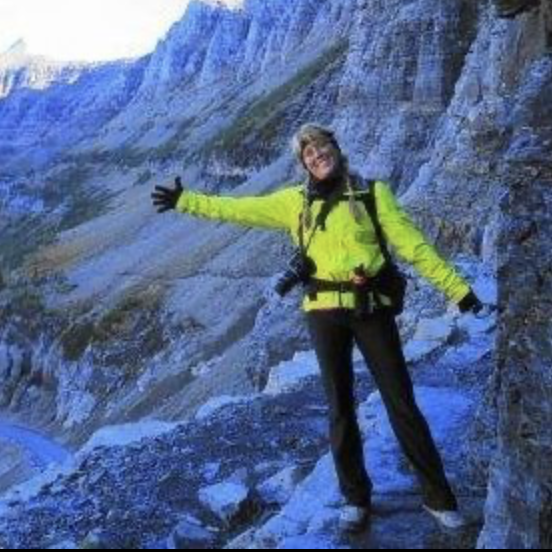
Amy: I had no idea what I wanted to do after high school, so I just started traveling – Europe first, then a round-the-world trip with someone I met along the way. I happened to be in South Africa when Nelson Mandela was released from prison, which was incredible. I traveled through parts of Southeast Asia too.
It was an education in itself, seeing different cultures and meeting people who had a big impact on my life. I eventually went to college at 26 and was one of those non-traditional students who graduated at 29.
I work a lot, travel, and get back to work. Wash, rinse, and repeat!
Amy: I’m working all the time, nights included. About 98% of what I do is criminal work. I have a big caseload and work regularly with around 30 attorneys, so it’s a lot to carry. I occasionally take family law or estate cases, like tracking people down to tell them they have money coming!
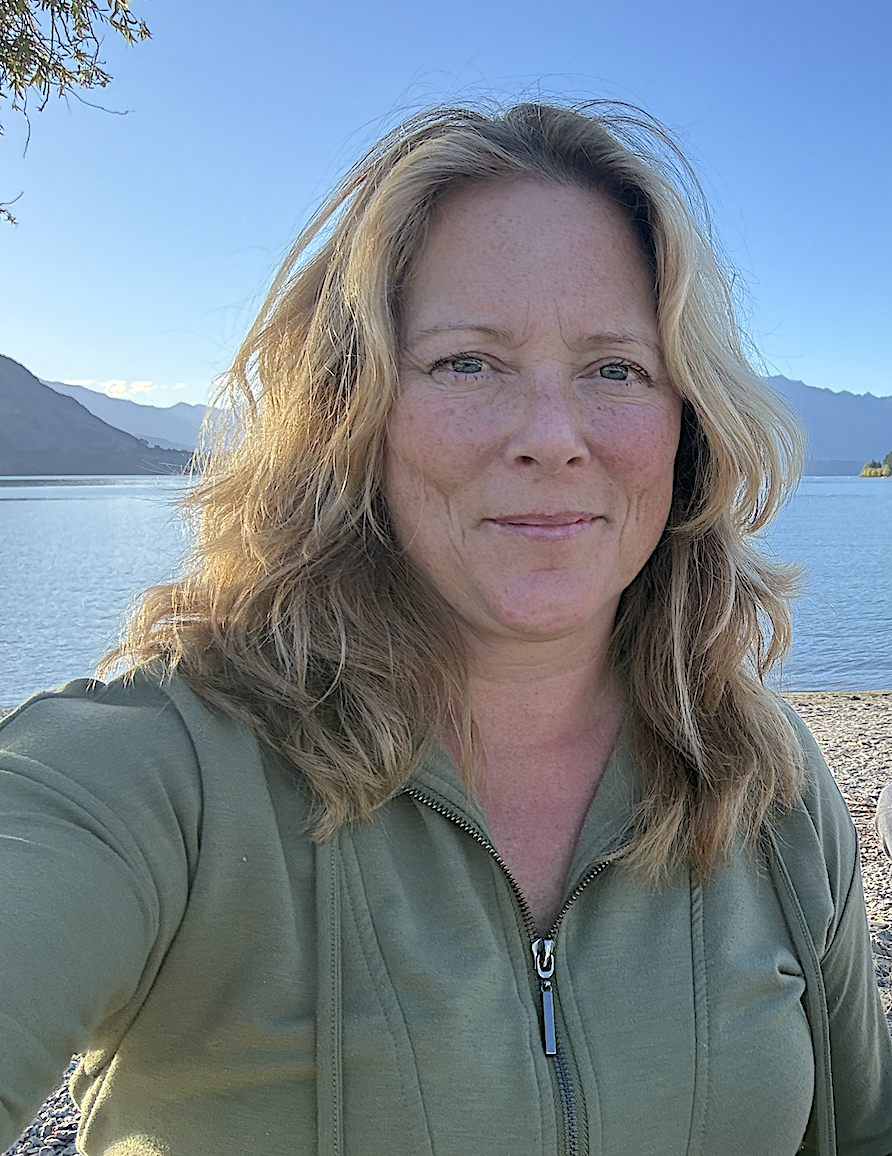
Since New Zealand, I jumped straight into trial prep. When trials are coming up, it’s a lot of last-minute work: tracking down new witnesses, getting subpoenas out, just doing whatever the attorneys need. Meanwhile, all my other cases keep moving, so I’m constantly bouncing around. If there’s time-sensitive evidence, like surveillance footage that could disappear, I drop everything.
The work sticks with you too. I really care about my clients – some made mistakes, some are innocent – and when you believe in someone’s innocence, you feel that pressure to find something that helps them. There are a lot of licensed investigators in New Hampshire, but only a handful of us have public defender, defense-side training. That experience is huge for understanding this work.
Amy: Phones are a huge part of it. The other side might hand over a snippet of a text, but without context, it can mean something completely different. Once you see the full conversation, everything can change. A client might say, “That’s not what we were talking about,” and they’re right.
I’ll take possession of a phone, log it in an evidence locker, and go through it for texts, photos, whatever’s relevant – especially if the client’s incarcerated or just doesn’t know what to look for. Sometimes the attorneys catch something I missed. It’s a team effort.
I also sometimes find things that hurt my client's case, which happens more than people think. I’ll flag it to the attorney, which is why having a defense investigator matters – it’s about making sure there are no surprises. Attorneys need to know so they can prepare, advise their client, and decide on strategy.
Amy: Attorneys usually come in with a theory of the case, like self-defense, but that can change as the investigation unfolds. We’re never going to have every single detail, but the more pieces we can collect, the clearer the narrative becomes, especially if the case goes to trial.
Most of my work is people-focused: locating and interviewing witnesses, family members, and sometimes clients themselves. I also take photos, measurements, write detailed reports, and dig into social media and electronic records. I’ll subpoena people for trial when needed.
I don’t do surveillance, and I’m not the one giving legal advice. I collect and organize facts, then hand everything to the attorney. They use it to decide strategy – whether to negotiate or not, go to trial, or refine their approach. Some cases are dismissed based on evidence we've uncovered. Some information I find won't be admissible in court, but they still give context. My role is to assemble the pieces; the attorney’s job is to apply the law and determine if the information I've gathered can potentially help with their case.
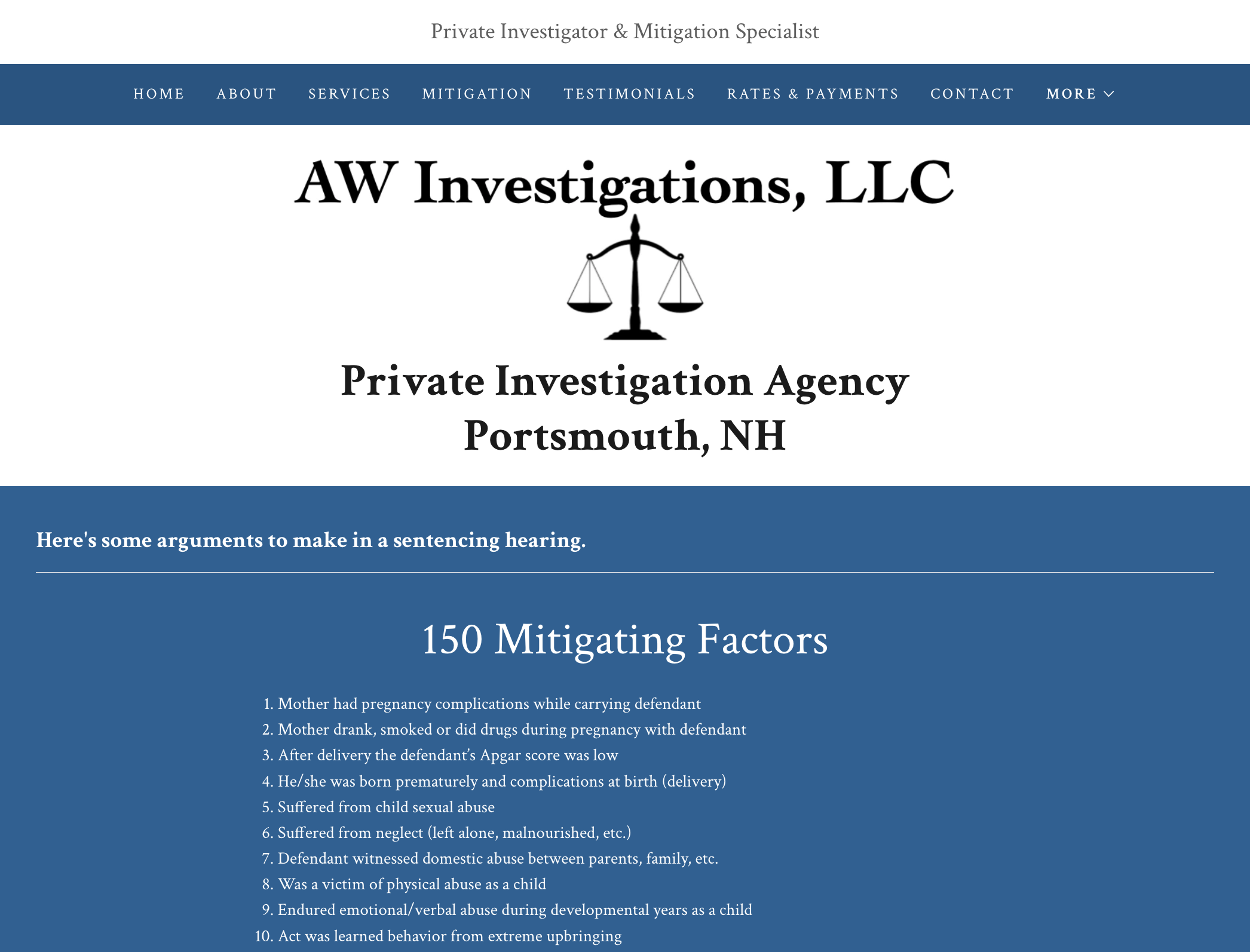
Amy: Mitigation is about giving context at sentencing. That usually means sitting with a client and going through their social history – trauma, abuse, neglect, mental health, and substance use disorders. This is not about excusing behavior. It’s about showing how someone got to where they are, and giving the court a full picture of the person behind the case. I even have a list of 150 mitigating circumstances on my website that attorneys can reference. Not every case gets a full social history, but when it does, it can make a real difference.
The goal is to show that our clients aren’t just defendants. Many of my clients are actively working on themselves – anger management, treatment programs, recovery from addiction. Presenting that to the court can mean the difference between a harsh sentence and an alternative, like drug court or rehabilitation.
Incarceration alone rarely solves the problem. In my opinion, it does not really deter future conduct. There are consequences for actions, of course, but the system often fails to address the underlying issues. That’s where mitigation comes in – to bring fairness, humanity, and a better chance at real change. The United States has the highest incarceration rate of any other independent democracy. In my opinion, this is a disparity that desperately needs to be examined. Where are we going wrong? If what we are doing is not working, then the only solution is to change.
People sometimes assume my clients are “throwaways,” but I strongly disagree. They’re human beings who faced challenges the system did not address. My job is to make sure the court sees them fully, not just the charges they face.
Amy: I kind of joke that I don't have a life, so my clients can. I care a lot about them, so I’m always available, even when it spills into personal time. But I’ve realized that’s not sustainable. The work is heavy, and you need balance. I’m working on setting better boundaries now, like separating emergencies from non-urgent things, and actually taking time off, even if it’s just a day to reset.